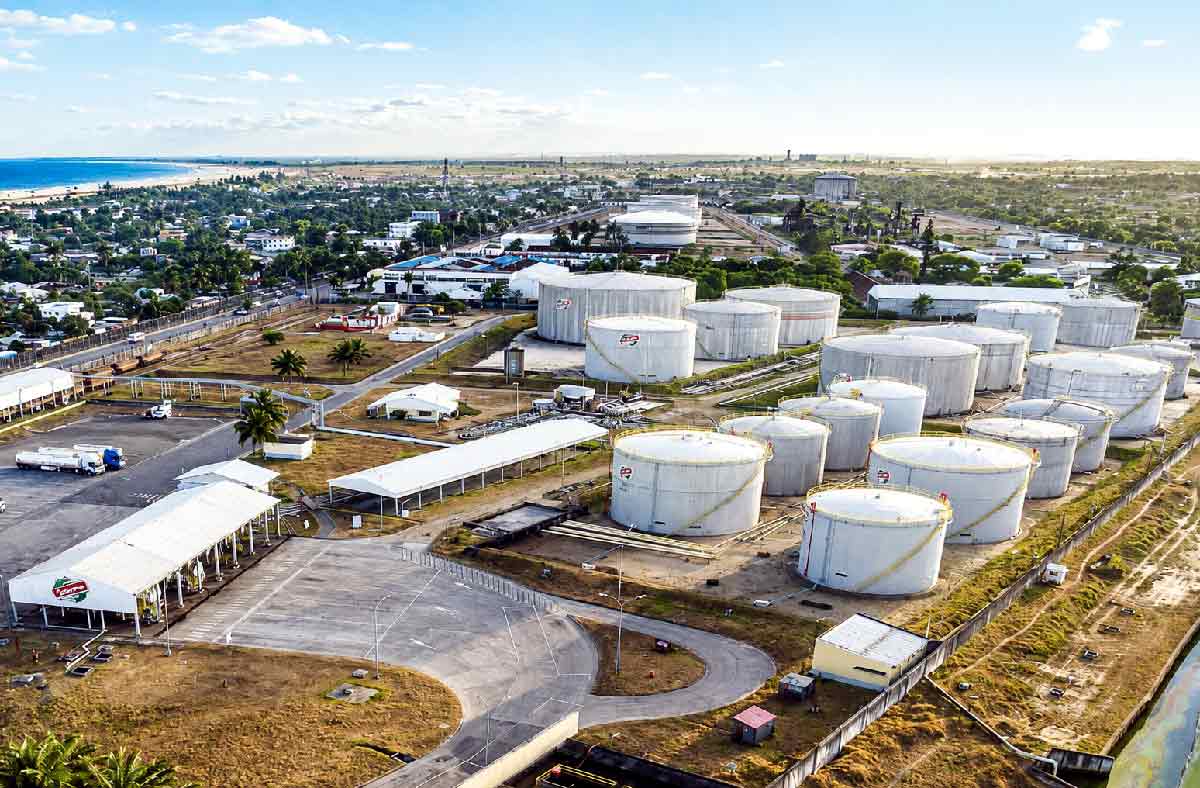
The storage capacity of the oil terminal will be tested by this dual diesel import. Storage operations for diesel cargo imported simultaneously by the State through SPM and by oil operators as part of their regular program are currently underway, according to port sources. The overlap of these two shipments risks, according to petroleum sector observers, straining the storage capacity of Toamasina's oil terminal.
Fuel Bottleneck
Recall that the State, through State Procurement of Madagascar (SPM), has launched a diesel import operation with an announced cargo of 64,000 metric tonnes intended notably for Jirama. Meanwhile, the Petroleum Group of Madagascar (GPM) had already scheduled its own imports under the usual market supply system. Arriving almost the same day, August 12th, these two shipments, intended by nature to regulate the petroleum market, risk causing a bottleneck—not of vehicles, but of fuel. According to our information, it would be difficult to store both shipments in the oil terminal's tanks in time. This situation could create another significant problem related to the berthing costs of transport vessels at Toamasina port's docks. This is especially true given news of another incoming cargo, this time gasoline, also imported by SPM.
Garage
In essence, beyond the dramatic arrival of these two shipments in one day, the problem lies in a less visible factor: the capacity of available storage tanks on land. The situation at Toamasina's oil terminal could resemble a company with a garage for three cars but owning six. Even if, for urgent needs, it continues buying vehicles to build reserves, there will inevitably come a moment when the problem is not how many vehicles it owns, but where to park them. This, proportionally speaking, is the risk emerging today in the petroleum sector. In short, ships can arrive, products can be available, but tanks are the bottleneck. The risk is particularly acute because different import operations do not necessarily substitute for one another. The State's import serves a specific objective, notably supplying Jirama, while oil operators must continue their own market supply program. GPM had precisely alerted on August 11th about potential consequences of requisitioning storage capacity. The group believed this modification could impact supply chain organization and balance, particularly regarding storage, transfer, and distribution.
Logistical Cost
In any case, storage capacity saturation does not automatically mean fuel shortages at service stations. But it can disrupt the entire logistics chain. Fuel must be unloaded from the ship, stored, then gradually transferred to various depots and distributed to regions. Rules governing the petroleum logistics system explicitly account for storage and bulk transport of diesel, premium fuel, and kerosene. If arrival capacity is insufficient, several scenarios may occur: slower unloading operations, vessel delays, transfer reorganization, use of alternative capacity, or need to accelerate distribution of existing stocks to free space. In this equation, each additional day can cost millions of ariary in logistics. Facing the situation, dialogue has reportedly begun between the State and oil operators.