Society
Violence: 59% of women are victims in certain regions
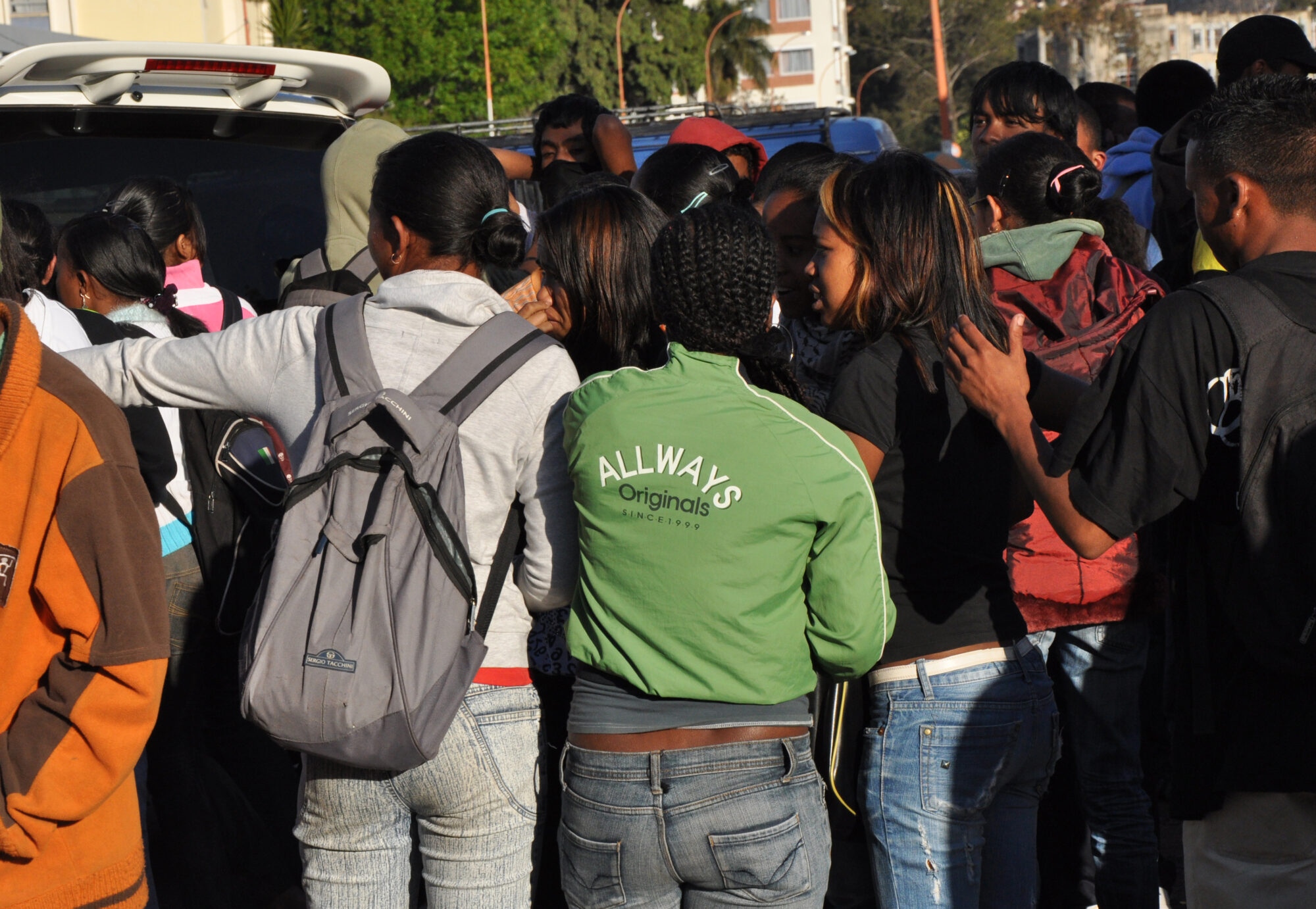
Beyond statistics, violence against women affects various sectors including health, poverty, economic dependence, child protection, and access to justice. Domestic violence is not confined to the private sphere. It constitutes a social issue that directly impacts women's health, economic autonomy, and family stability. Available data shows 41% of women are victims of violence, with levels reaching 59% in certain regions, notably Vakinankaratra. The paradox is all the more concerning given that Madagascar has had strengthened legal protections for victims since 2020. Yet reporting remains hindered by social norms, economic dependence, and the weight of family taboos. The French Development Agency (AFD) notes that "41% of women and 29% of men still believe that in certain circumstances, a man can justify beating his wife." Data from earlier MICS surveys also demonstrate the scale of the phenomenon. Physical, sexual, and emotional violence, domestic violence, and sexual assault affect a significant portion of Malagasy women. The problem is also one of underreporting: what goes unreported disappears from statistics, though not from reality. The consequences extend far beyond the victim-perpetrator relationship. An economically dependent woman may face greater difficulty leaving a violent partner. Children exposed to family violence can suffer lasting consequences for their safety and development. Combating violence must therefore be linked with access to justice, social protection, vocational training, and economic empowerment. A testimony published by UNFPA (United Nations Population Fund) last April illustrates this connection: a young woman victim of economic violence explains how she gradually escaped this dependence after receiving vocational training. Fighting violence against women is not solely about punishing perpetrators. It is also about reducing the economic and social mechanisms that force victims into silence. As long as these mechanisms persist, statistics will only show part of the reality.
Source: Midi Madagasikara