Culture
Unusual: Lemur on the Loose in Texas
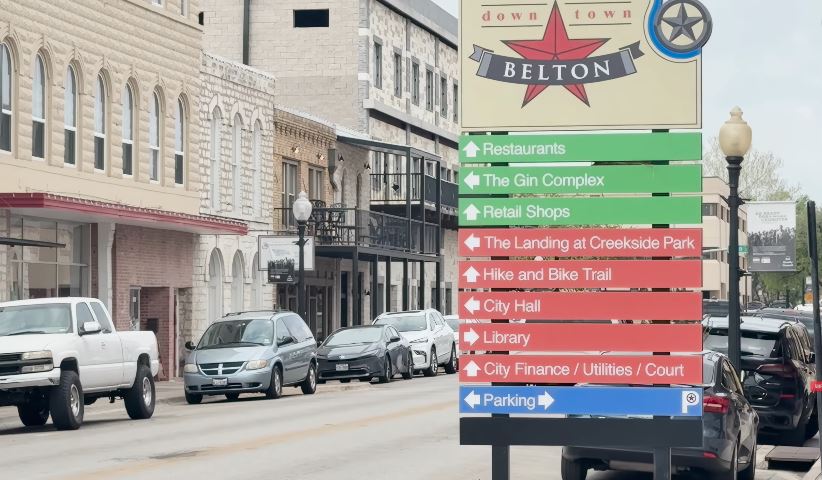
Downtown Belton, typical of American downtowns. (photo credit: Living in Central Texas) In Belton, Texas, United States, law enforcement recently experienced an intervention as unusual as it was memorable, in early August: the emergency capture of a lemur roaming free in the streets. Described by officers as particularly reluctant to comply, the animal was eventually subdued without incident before being returned to its owner. While this surprising escapade has amused onlookers, it highlights a far more complex and regulated reality: the keeping of wild and exotic animals by private individuals. Unlike the strict prohibitions in force in other countries or states, Texas allows, under certain conditions, the possession of these primates. Breeders approved by the U.S. Department of Agriculture (USDA) legally sell specimens there, but under a strict rule: sales must take place exclusively within the state to comply with federal law. A question remains about the origin of these animals: these breeders do not source from Madagascar's wild populations, which the Convention on International Trade in Endangered Species of Wild Fauna and Flora (CITES) formally prohibits. The American stock relies entirely on a self-sufficient captive population, descended from individuals imported decades ago for parks or zoos, and passed down generation after generation. This regulatory gap illustrates the full ambiguity of these markets. While wild lemurs in Madagascar are subject to absolute protection against poaching, their American domestic counterparts continue their journey in Texas suburbs, between urban escapes and well-established breeding traditions. It may be overly optimistic to dream that one day a panda will gently stroll through the Antaninarenina garden during rush hour. Collected by Maminirina Rado The article Unusual: Lemur on the Loose in Texas first appeared on Midi Madagasikara.
Source: Midi Madagasikara