Society
Climate Monitoring: Anticipatory Action Proves Effective in Southern Madagascar
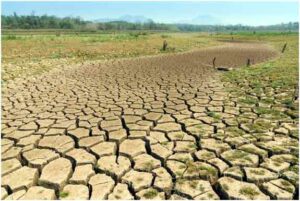
Facing chronic droughts that plague the Grand South of Madagascar, an innovative approach is changing the game. By intervening before crisis takes hold, anticipatory action demonstrates its effectiveness and opens the way to smarter climate risk management. Anticipating drought to better protect rural populations. It is in this spirit that the anticipatory action (AA) protocol was implemented, developed since 2020 in Madagascar. Implemented under the impetus of the Malagasy government, the FAO and its partners, the system has been deployed in food security and agricultural livelihoods sectors. It relies on a triggering system based on climate, agricultural and economic data. Seasonal forecasts, rainfall anomalies, soil moisture, vegetation indices (NDVI) and commodity prices are combined to establish a composite score. When this exceeds a critical threshold (55%), measures are activated before the peak of drought. In 2023, in several districts of the South, this mechanism enabled cash transfers, distribution of resistant seeds and dissemination of tailored agricultural advice. This system currently marks a breakthrough, as it no longer merely monitors climate hazards, but integrates their real impacts on livelihoods, through analysis of historical data on yields, livestock and food security. Solid evidence and promising results were revealed following an evaluation undertaken with the FAO and government partners. "Households receiving AA reported improvements in food consumption scores (FCS) of approximately 3 points (≈12%), a reduction in consumption-based coping strategy index (rCSI) of 7 points (≈34%) and gains of approximately 3 points (≈8%) in resilience capacity scores (RCS)." A change in agricultural practices is also observed. "78% of households supported by AA planted crops, compared to 60% in the control group, and 38% purchased and applied fertilizer, compared to 12% in the control group." The advances in implementing this system extend to the institutional level.
Source: Midi Madagasikara