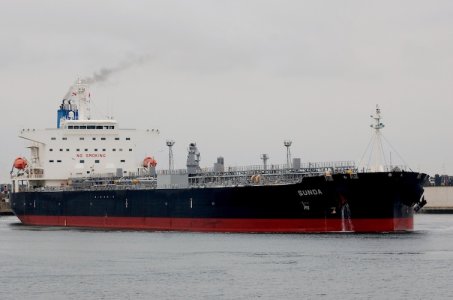
A shipment of 64,000 metric tonnes of diesel from Nigeria is expected today at the port of Toamasina. Destined for Jirama power plants, this fuel marks the effective entry of the State Procurement of Madagascar (SPM) into petroleum supply and materializes new energy cooperation between Madagascar and Nigeria. The Sunda One brings with it a new configuration in Madagascar's energy supply. The tanker is due to dock in Toamasina with 64,000 metric tonnes of diesel, a cargo reserved for Jirama's electricity production needs. The volume should allow the national utility to have fuel for several months. The operation is conducted by SPM under an agreement concluded directly between the Malagasy and Nigerian governments. It follows exchanges between Malagasy head of state Colonel Michaël Randrianirina and Nigerian President Bola Ahmed Tinubu during an official visit to Abuja in early June. This cooperation aims notably to strengthen Madagascar's supply security as the international hydrocarbon market remains exposed to price fluctuations and logistical disruptions.
Reducing Jirama's bill
For Jirama, the stakes are twofold: securing regular diesel supplies and attempting to reduce costs. Thermal production represents a significant item for the utility, particularly during low-water periods when hydroelectric plant contributions decline. Thermal facilities must then take on greater responsibility. A difference of several hundred ariary per litre can thus produce significant savings given consumption volumes. SPM is banking on direct negotiations with international suppliers to obtain more favorable pricing terms. A decree adopted in Council of Ministers now governs Jirama's supply from the public company. The measure also comes in the context of an energy emergency state, which allows authorities to adopt exceptional measures to secure power plant operations. For SPM, this first petroleum operation represents a major expansion of its activities. Created in 2019 to intervene in strategic and essential products, it had primarily distinguished itself in the rice sector. Its general director, Guilot Ramilison, now intends to extend this stabilization role to hydrocarbons. Receiving the 64,000 tonnes nonetheless requires use of existing petroleum infrastructure. SPM relies on Galana Raffinerie Terminal for reception, storage and product control operations. It must pay corresponding fees like other importers. The Sunda One's arrival comes as another tanker, the Tormeva, is also bringing petroleum products to Toamasina through traditional import channels. This coexistence illustrates the ongoing evolution: Madagascar is not abandoning the classical import system, but opening a parallel route for its strategic needs. The first real indicator of success will now be the final cost of diesel delivered to Jirama and its effect on electricity production expenses.