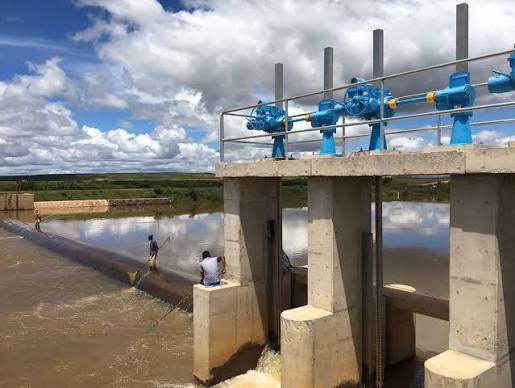
Drip irrigation technology is already widespread in Madagascar. A national contest called "Tsinjorano" is being organized by the Ministry of Agriculture and Food Sovereignty, in partnership with Farming & Technology in Africa (FTA). This initiative is part of a drive to promote agricultural innovation and find concrete solutions to challenges related to water management, climate change, and improving productivity on small farms in Madagascar. Through this contest, organizers aim to highlight the ingenuity, creativity, and expertise of Malagasy stakeholders, particularly young people, in irrigation and sustainable water resource management. The goal is also to develop local solutions that are simple, accessible, and reproducible, capable of sustainably improving conditions.
Water Management
Open since July 1, 2026, the contest is open to a wide range of actors involved directly or indirectly in agricultural development. Farmers, young rural entrepreneurs, producer cooperatives, non-governmental organizations, researchers, students, agricultural technicians, and innovators are invited to participate. The application deadline is September 30, 2026.
In Madagascar, agriculture remains heavily dependent on climate conditions and water availability. Irregular rainfall, drought episodes, floods, deteriorating hydraulic infrastructure, and growing climate change effects are constraints affecting agricultural yields and producer incomes. In this context, water management is a major issue for strengthening food security, self-sufficiency, productivity, and resilience of farms. Access to irrigation systems suited to small plots can help producers better utilize their land, secure production, and in some cases diversify crops.
Accessible
Each candidate must present a device, technique, practice, or innovation providing a concrete solution to improve irrigation on a small farm between 0.1 and 2 hectares. The proposed innovation must already be implemented or tested in Madagascar. This requirement aims to prioritize solutions that have proven feasible under the country's real conditions and can eventually be reproduced or adapted on other farms. Solutions must meet several essential criteria: be adapted to local realities, technically accessible, economically affordable, and simple enough for small producers to adopt. The goal is not only to promote sophisticated technologies, but especially to highlight innovations that are useful, effective, and accessible to the greatest number.
Solutions
The contest's main theme focuses on irrigation innovation and sustainable water resource management. Several innovation areas are particularly encouraged. Frugal and water-efficient irrigation systems are an important focus. These include low-pressure drip irrigation, micro-sprinklers adapted to small farms, or solutions to power irrigation systems in areas with limited electricity access while reducing fuel costs and promoting sustainable agriculture.
Water management and conservation form another priority area. Candidates can propose solutions for rainwater and runoff collection and storage, improving hillside reservoirs, water recovery, or reusing treated wastewater where sanitary and technical conditions permit. The objective is to promote more rational use of each available resource. In areas facing drought periods, the ability to collect, conserve, and efficiently use water at the right time can play a decisive role in securing agricultural production.