Domestic
AGOA: New Reprieve Emerging for Textile Sector and Thousands of Jobs
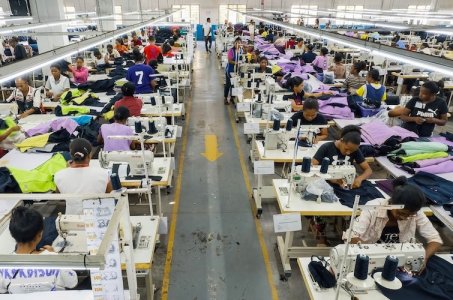
Good news for Madagascar and sub-Saharan African countries. The U.S. Senate adopted this weekend, by an overwhelming vote of 90 to 6, bill H.R. 6500 extending the African Growth and Opportunity Act (AGOA) until December 31, 2028, without modifications to current conditions. This preferential regime, which offers duty-free access to the American market for numerous products from sub-Saharan African countries, including Madagascar's, constitutes an essential pillar of the Malagasy economy, particularly for the textile and clothing sector. AGOA officially expired on September 30, 2025. Facing this legal vacuum, Congress subsequently voted a temporary one-year extension, pushing the deadline to December 31, 2026, with retroactive effect. This interim measure allowed provisional maintenance of tariff preferences but left significant uncertainty about the scheme's future beyond 2026. The Senate vote of August 8, 2026, which now extends the regime until end-2028, thus reinforces this stability outlook. The text had already been adopted by the House of Representatives in January 2026 (340 to 54 votes), confirming broad bipartisan support for AGOA in Washington. For Madagascar, the stakes are considerable. The textile sector, the main beneficiary of the scheme, directly employs over 100,000 workers, predominantly women, in free zones. Accounting for indirect jobs (transport, subcontracting, services and commerce), over 500,000 people depend on this activity. Some estimates from the Groupement des entreprises franches et partenaires (GEFP) also mention around 90,000 jobs directly linked to AGOA exports, while the entire textile and clothing sector represented nearly 180,000 jobs in 2025, and up to over 400,000 direct and indirect jobs according to other sources. Economically, the impact is equally significant. Malagasy textile exports to the United States generate approximately 700 million dollars in foreign exchange annually. In 2024, Madagascar's total exports to the American market amounted to approximately 733 million dollars, with a substantial portion under the AGOA regime. Without these tariff preferences and without maintaining the "Third Country Fabric" (TCF) provision, which allows using fabrics from third countries while benefiting from duty exemption, the country risks losing substantial competitiveness against Asian producers. Malagasy industrialists emphasize that losing AGOA could result in the disappearance of tens of thousands of direct jobs and major social shock. The Senate-adopted text does not modify current conditions, including TCF, a crucial element for Madagascar which lacks significant local production of synthetic yarns and fabrics. This flexibility has allowed the country to position itself as one of Africa's leading clothing suppliers to the United States. The uncertainty of preceding months, following September 2025's expiration and the one-year extension through end-2026, had already caused technical layoffs (several thousand jobs) and order slowdown. Caution remains warranted. The House of Representatives, currently on recess, must still examine the Senate version. Work resumption is expected early September. Only after completing the legislative process can the text be transmitted to the White House for presidential signature. Malagasy economic actors, notably GEFP, have multiplied advocacy efforts in Washington in recent months to defend maintaining this preferential regime. For Madagascar, the extension through 2028 offers relative visibility in an international context marked by trade tensions and increased competition. It allows securing formal jobs, preserving essential foreign exchange revenues for the trade balance, and maintaining the country's attractiveness for textile investments. Beyond the figures, it means protecting hundreds of thousands of families dependent on this sector. If the process succeeds, the Great Island will have two additional years to consolidate positions and consider new investments.
Source: Madagascar Tribune