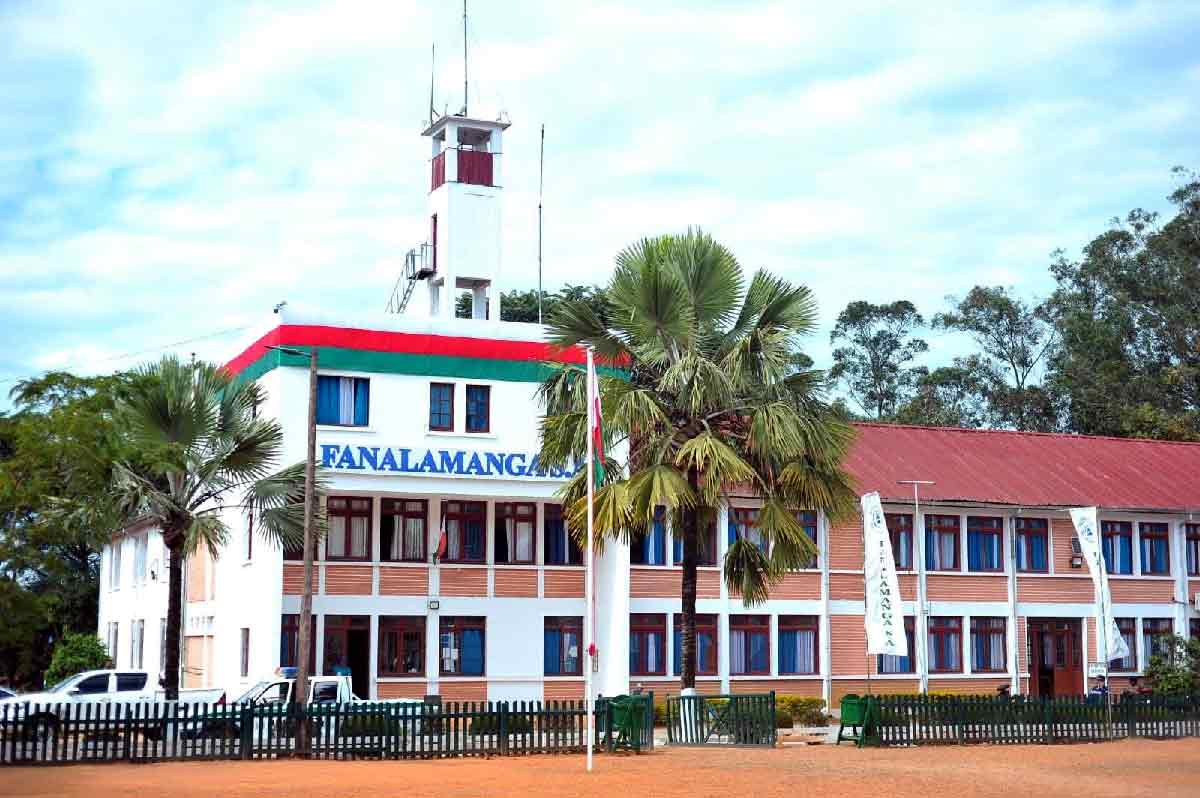
State-owned company Fanalamanga is currently showing a profit of 1 billion Ar six months after its restructuring. Entrusted by the Refoundation Regime to interim general director Kouthri Tombosoa Sahadli, the audit mission at Fanalamanga has delivered damning findings. "We inherited from the previous management a situation marked by serious financial misconduct," the executive stated during an appearance on national television TVM. Investigations have uncovered an embezzlement network estimated at 8.5 billion ariary. "Among the major irregularities exposed are 450 million Ar in cash withdrawals without any supporting invoices, as well as unjustified cheque payments totaling 340 million Ar. Furthermore, nearly 775 million Ar simply vanished from the coffers. Added to this is approximately 5 billion Ar squandered on sports sponsorship over the past five years, including 1.5 billion Ar allocated for 2025 alone," he detailed.
Deep Divisions
Beyond this financial black hole, which left the treasury unable to cover even one month of salaries when the new team arrived, the interim director denounces arbitrary human resources and property management. Favoritism and glaring salary disparities have caused deep divisions within staff. In forestry operations, activity remained under the control of a minority, fueling tensions with local actors in Moramanga who were sidelined, with one major operator monopolizing several thousand hectares of plots.
Profit of 1 Billion Ar
Six months after the restructuring plan began, the company shows clear recovery. Fanalamanga now records a profit of over 1 billion ariary, contrasting with the 430 million Ar loss recorded in 2025. This performance results from a strategy focused on revenue maximization and operational cost reduction. This restored financial health has extended to social matters: the minimum starting salary has been increased to 300,000 Ar per month, accompanied by the restoration of numerous social benefits employees had been denied for years. Interim director Kouthri Tombosoa Sahadli acknowledges, however, that this reform momentum faces strong resistance orchestrated by a minority of vested interests seeking to undermine debt recovery procedures.