Society
Human Trafficking and Cybercrime: Madagascar Faces Security Sovereignty Challenge
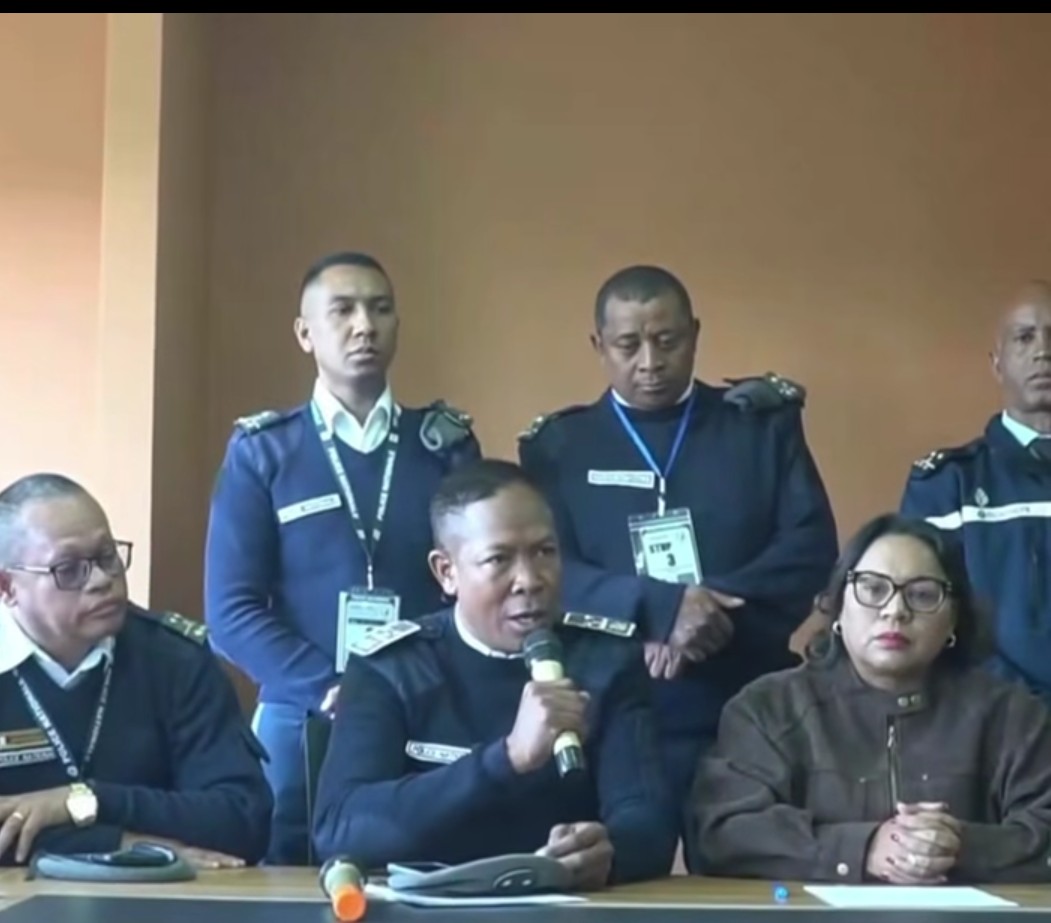
The emergence of scam centers in Antananarivo reveals a profound mutation of international criminal networks. Between human trafficking, cybercrime and strategic relocation to Africa, Madagascar finds itself on the front lines of a global phenomenon in flux. The threat is evolving, and the country now bears its first visible impacts. According to the United Nations Office on Drugs and Crime (UNODC), "in Africa, countries like Madagascar and Uganda are seeing an increase in the number of scam operation centers." A warning signal that fits into a global dynamic whereby criminal networks, under pressure in Southeast Asia, are relocating their activities to new territories deemed more permissive. In Antananarivo, this mutation takes concrete form. Law enforcement has identified more than eight "scam centers" operating in and around the capital. Two of them have been dismantled, revealing a structured organization mixing online fraud and human exploitation. More than 75 foreign nationals, victims of trafficking, have been identified. Earlier this year, the Chinese embassy in Madagascar had already issued an alert, mentioning the relocation of organized criminals coming to rebuild their networks. An additional indication that the Great Island is now inserting itself into a shifting geography of cybercrime. Facing this hybrid threat, Madagascar's response remains under construction. Targeted operations demonstrate a willingness to act, but they also highlight structural limitations, such as lack of specialized resources, improvable coordination and a still vulnerable regulatory framework. Recourse to international support, notably from UNODC, underscores the transnational nature of the phenomenon. But beyond the security emergency, it is a question of sovereignty that arises. The Great Island must adapt its systems to face a criminality now mobile, technological and organized on a global scale. Its ability to contain this mutation will determine whether it manages to stem the phenomenon... or whether it establishes itself permanently as a new link in international criminal networks.
Source: Midi Madagasikara