Economy
Crypto-assets: Strengthening institutional expertise against new financial risks
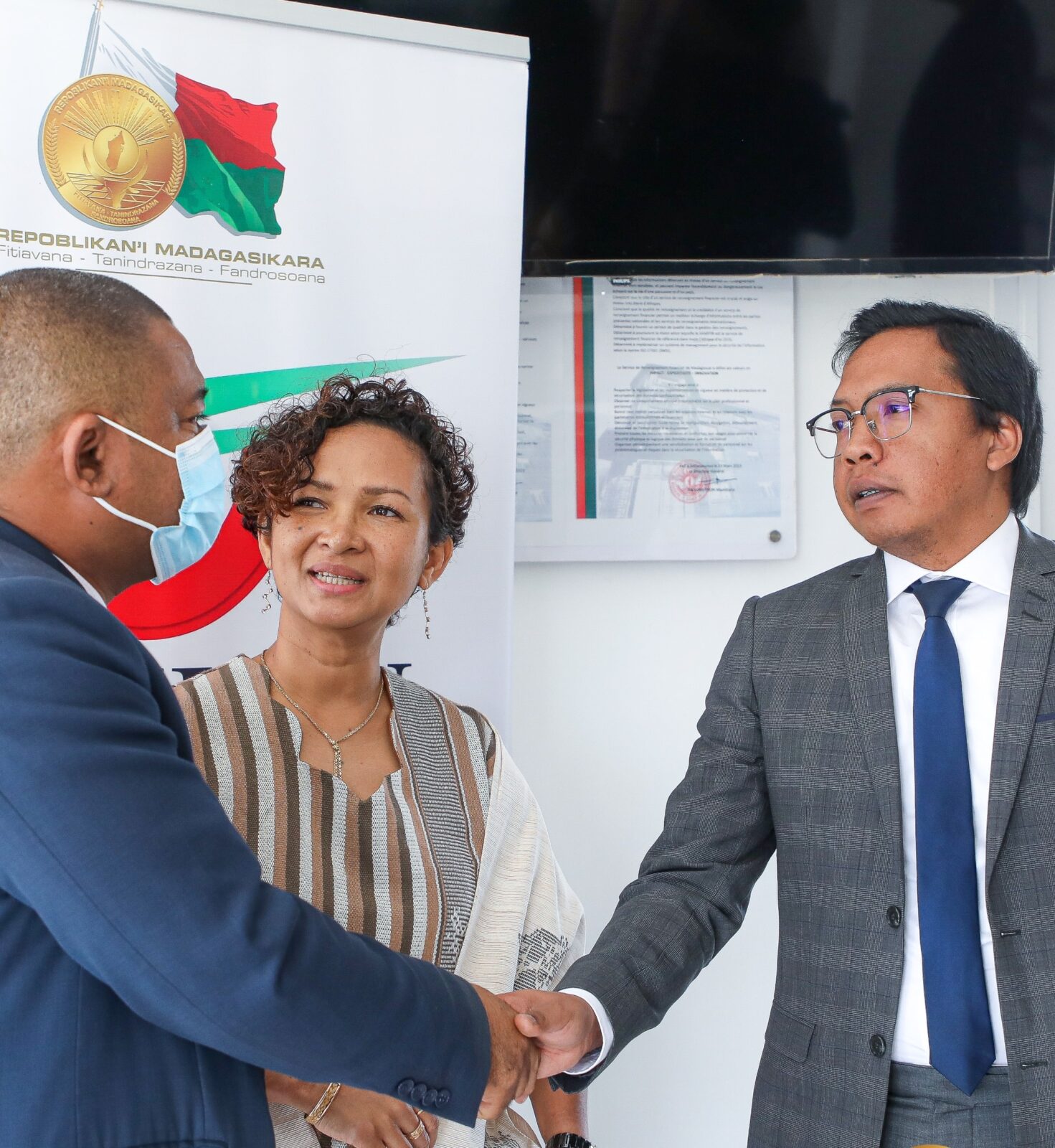
Institutional mobilization to address crypto-asset challenges. Between financial innovation and risks of illicit use, authorities aim to better regulate the growth of virtual assets while preserving the integrity of the national financial system. A capacity-building workshop on virtual assets, or crypto-assets, is being organized by Madagascar's Financial Intelligence Service (SAMIFIN), with support from the United Nations Office on Drugs and Crime. This meeting aims to better prepare relevant institutions for new challenges linked to the rapid evolution of financial technologies. At the workshop's opening, the cabinet director of the Minister of Economy and Finance, Zo Razafindrakoto, representing his ministry, clarified the authorities' position on these new instruments. "It is not virtual assets that pose a problem, but their use outside the legal framework," he emphasized. This serves as a reminder that crypto-assets can be tools for innovation and development, but can also be diverted for illicit purposes when they escape control mechanisms. Promoting development The development of digital transactions, the relative anonymity of certain operations, and the speed of international transfers can indeed complicate the detection of suspicious flows. These developments require administrations, control bodies, and investigation services to adapt their methods, knowledge, and analytical tools. Zo Razafindrakoto recalled that the Ministry of Economy and Finance has a mission to support economic development while protecting the integrity and stability of the financial system. This responsibility notably includes strengthening the fight against money laundering and new forms of financial crime. According to him, this approach aligns with the State's general policy guidelines. The workshop should enable participants to better understand how crypto-assets function, identify the main risks linked to their illegal use, and strengthen mechanisms for preventing, detecting, and processing suspicious transactions. Beyond sharing technical knowledge, this initiative also aims to consolidate cooperation between the various institutions involved. Faced with financial practices that often transcend national borders, coordination between concerned actors becomes essential. SAMIFIN and UNODC thus aim to contribute to establishing a more coherent, more effective, and better-adapted institutional response to the mutations of digital finance.
Source: Midi Madagasikara