Culture
Antsosy, Salegy, Tsapiky: Dances That Tell the Territory
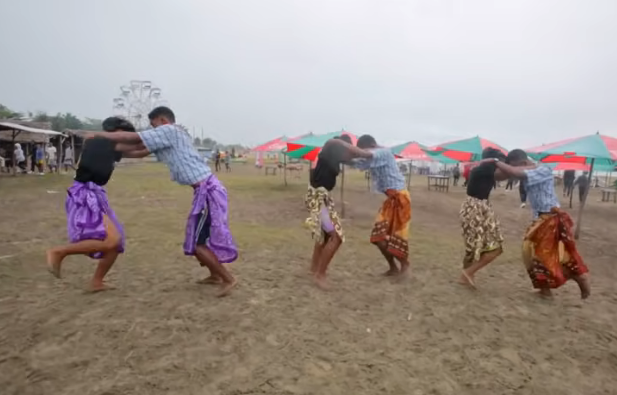
In Madagascar, they precede official speeches, accompany popular celebrations and sometimes serve as a language of identity. The antsosy, tsapiky and salegy are among the country's most emblematic choreographic expressions today. Although they experienced their rise on modern stages from the 1970s onwards, as several Malagasy ethnomusicologists point out, their roots run deep in much older traditions. These rhythms have become the cultural signatures of several regions. Salegy spontaneously evokes the North, particularly the DIANA and SAVA regions. Tsapiky is inseparable from the South, especially Androy and Atsimo-Andrefana. As for antsosy, it has long accompanied the festive practices of Tsimihety populations, notably in the Sofia region. Beyond spectacle, each cadence translates a collective memory, a way of inhabiting a territory and transmitting a heritage. This recognition now extends beyond public squares. Tsapiky, both musical rhythm and dance, was officially inscribed in Madagascar's intangible cultural heritage, consecrating a practice that continues to evolve without breaking with its origins. Behind each dance step lies a story. Antsosy is often associated with Tsimihety migration movements and cultural encounters that shaped their history. Tsapiky draws its inspiration from the daily life of southern herders: pastoral life, long journeys, joys and hardships still nourish the texts and melodies that accompany it. Salegy, meanwhile, long remained linked to a social rite. Oral traditions report that in northern Madagascar, this dance was practiced by nubile young girls to loosen the pelvis and prepare the body for motherhood. Over time, this initiatory function faded in favor of an artistic and popular dimension, without erasing the memory of its origins. Thus, antsosy, tsapiky and salegy remind us that in Madagascar, dance is not merely entertainment. It constitutes a living archive where history, society, identity and transmission meet. When the first chords resound, it is often an entire territory that takes the stage.
Source: Midi Madagasikara