Society
Circumcisions: Traditional Celebrations Clog City Streets
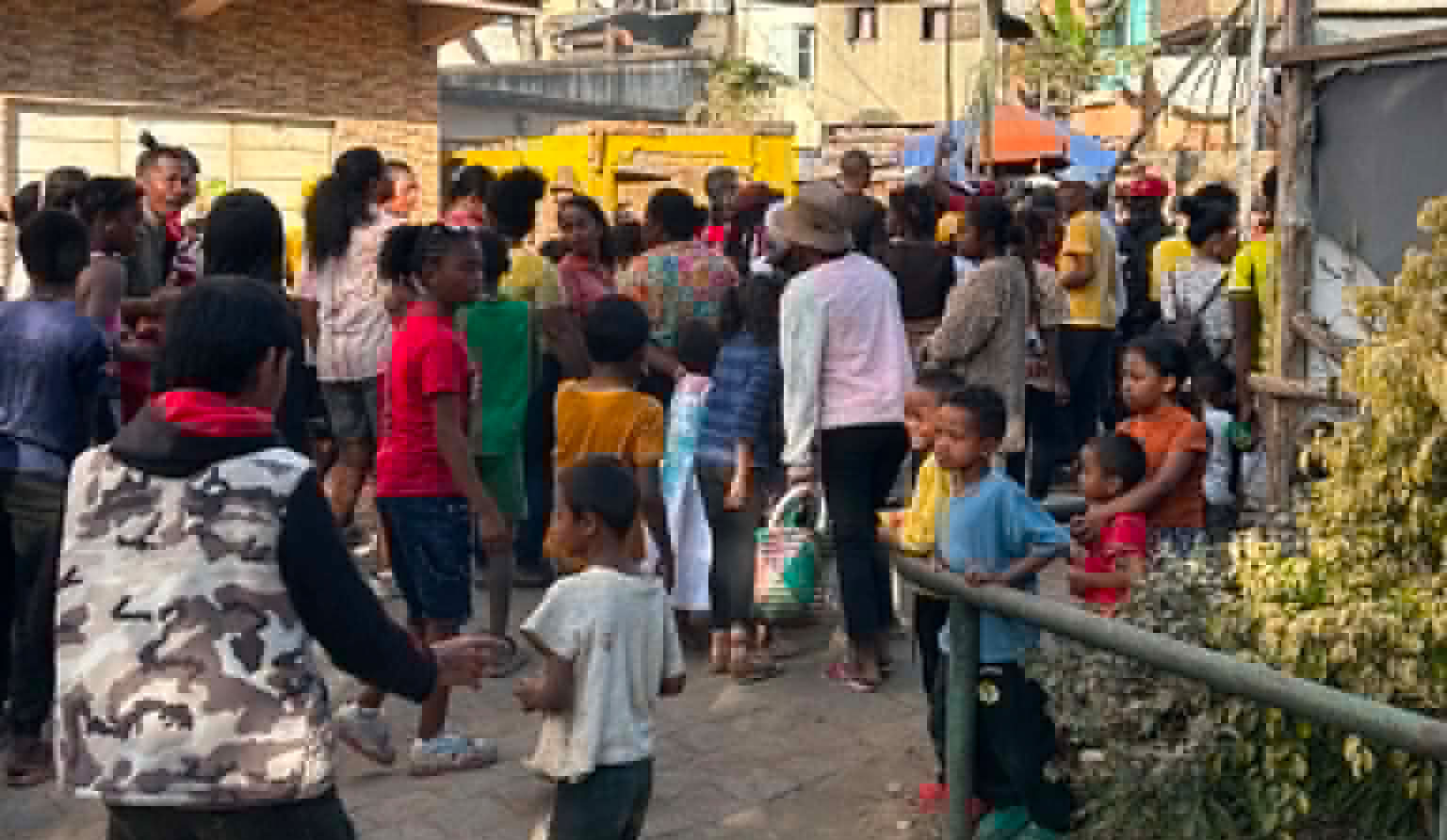
Rather than staying on sidewalks, processions often occupy entire roadways. As circumcision and famadihana processions paralyze traffic in the capital, driver frustration is mounting. This urban chaos, however, delights bapampa orchestras, for whom these traditional festivities translate into particularly flourishing business. During this winter season, traditional celebrations are in full swing in Antananarivo, Vakinankaratra and surrounding areas. It is peak season for famadihana (turning of the dead) and circumcisions. A moment of intense joy for families who, accompanied by bapampa (orchestras), take to the streets to express their pride. However, this colorful spectacle comes with a far less joyful downside for road users: monstrous traffic jams. Rather than staying on sidewalks, processions often occupy entire roadways. Last Saturday, the Ampasika sector and surroundings experienced near-total gridlock. Road users remained stuck in uninterrupted queues for nearly three hours. A situation that provoked considerable frustration, especially since Saturday is usually considered a smoother traffic day. Between frazzled drivers and pedestrians forced to weave through cars, general exasperation prevailed. If these events paralyze traffic, they delight traditional artists and musicians. Since ceremonies are inseparable from fanfares and hiragasy, order books are exploding. According to Yvon Ram, member of the Gasy Mihanta group, a circumcision performance, typically lasting one day, averages 1,200,000 ariary for the 18 musicians in the band. For a famadihana, celebrated over two days, the fee reaches approximately 1,700,000 ariary. He also notes that musicians parade through streets in uniform attire to provide aesthetic performance and unite in family joy. Families fully cover the troupe's food and transportation costs, expenses that logically increase when festivities occur outside the capital.
Source: Midi Madagasikara