Culture
Tsakotsako Festival Third Edition: Corn Takes Root
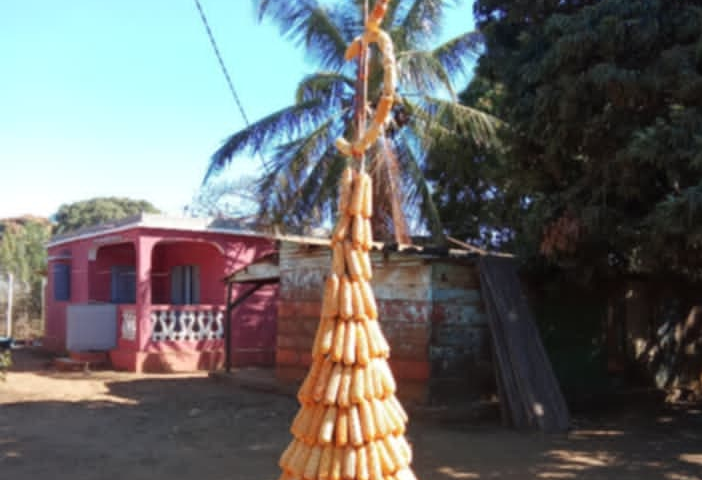
For three days, from July 23 to 25, the rural commune of Anketrakabe in Diego II district hosted the third edition of the Tsakotsako Festival. More than just an agricultural showcase, this event has brought to the forefront a sector that structures the local economy and sustains many households in the commune. In this part of northern Madagascar, corn remains one of the most widely cultivated crops. Yet its economic potential remains largely untapped. The sale of raw corn continues to dominate sales channels, limiting producers' income. The festival was built precisely around this issue: promoting local processing to generate greater added value and diversify market outlets for the sector. At the opening ceremony, the regional director of Agriculture and Food Sovereignty for the DIANA region emphasized that the sector's future depends on better valorization of production. Corn, he stressed, is not limited to traditional consumption. It can be transformed into flour, oil, and high-nutritional-value foods, and can also be used for packaging production or energy generation. These prospects could improve farmers' income while stimulating the local economic fabric. The opening ceremony brought together the DIANA region governor, several regional directors, mayors from Diego II district communes, representatives of civil and military authorities, economic operators, technical partners, and various actors in the corn value chain. This mobilization demonstrates the interest in developing this sector. The festival was not limited to product exhibitions. Training sessions and experience-sharing workshops were also organized by the Ministry of Agriculture and Food Sovereignty. Led by MIASA and DRASA program teams, they covered pest control, production improvement techniques, and farm management practices. At its third edition, the Tsakotsako Festival confirms its mission: making corn processing an engine of territorial development by bringing together producers, technicians, public authorities, and partners around a shared goal—agriculture that creates greater wealth for rural communities.
Source: Midi Madagasikara