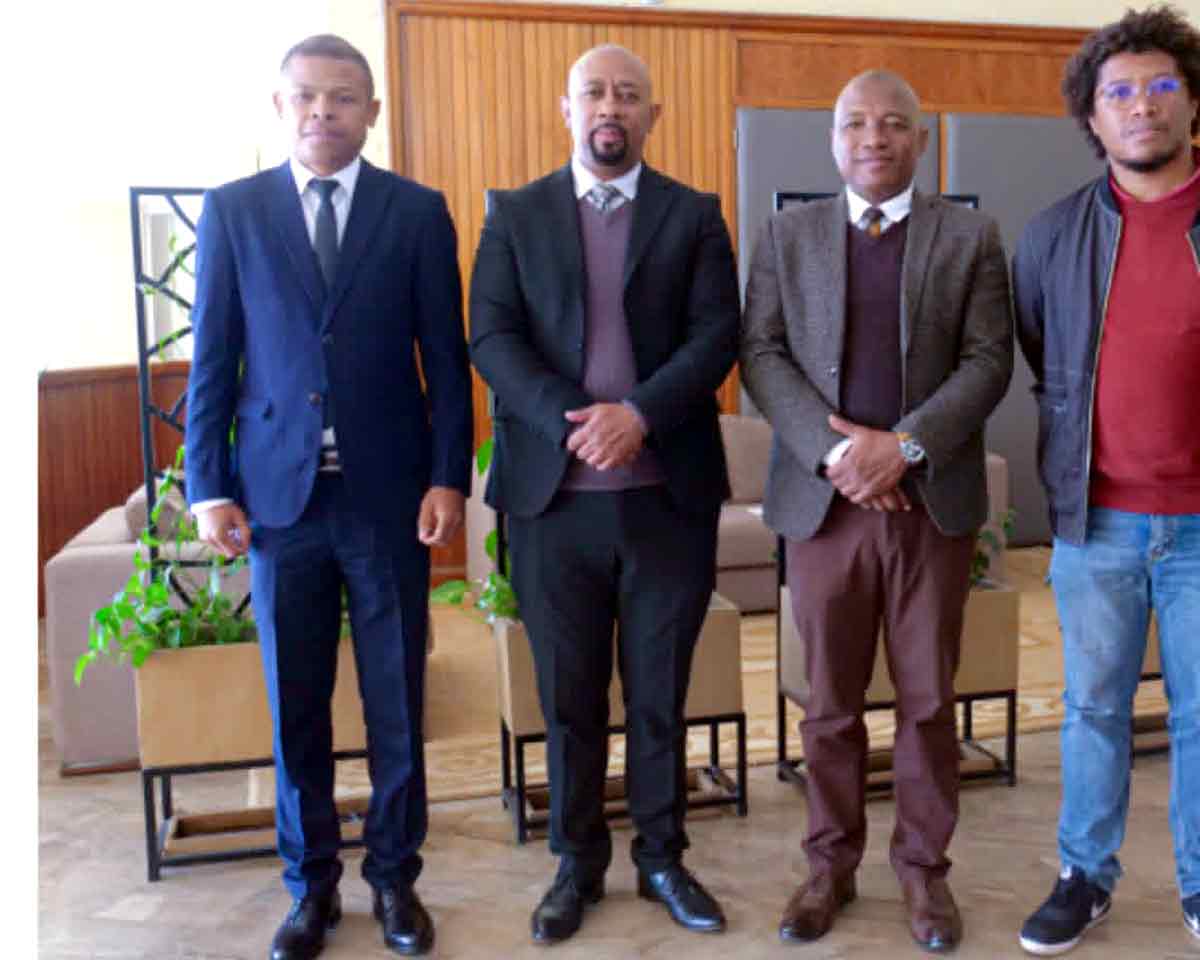
Actors involved in the fight against corruption have finalized preparations ahead of the visit by international experts. The country is mobilizing before experts arrive to assess national anti-corruption prevention mechanisms and asset recovery systems. Madagascar is entering the final stretch before the international evaluation scheduled under the second cycle of the United Nations Convention Against Corruption (UNCAC) review mechanism. On June 18 and 19, working meetings were held at the Ministry of Foreign Affairs in Anosy to finalize preparations before the expert review mission, scheduled for June 30 to July 2, 2026. Coordinated by the Committee for the Safeguarding of Integrity (CSI) and the Independent Anti-Corruption Bureau (BIANCO), these meetings brought together representatives from relevant ministries, oversight bodies, the private sector, and civil society. The objective was to validate updated data and statistics, harmonize responses to observations from examining states, and prepare interventions by various national entities.
Two Areas Under Review
As part of this evaluation, Madagascar will host a delegation of experts mandated by Djibouti and Tanzania. With technical support from the United Nations Office on Drugs and Crime (UNODC), the review will cover two areas: chapters II and V of UNCAC, dedicated respectively to preventive measures and asset recovery. Regarding corruption prevention, evaluators will focus on the effectiveness of public policies, transparency in public procurement, public finance management, codes of conduct for state officials, and anti-money laundering mechanisms. The integrity of the judicial system, access to information, and civil society involvement will also be analyzed. The second area concerns asset recovery. Experts will examine the country's capacity to detect illicit financial flows, asset seizure and confiscation mechanisms, procedures for returning diverted assets, and the effectiveness of international cooperation in this regard.
Institutional Reforms
According to process officials, this preparatory phase allows for an assessment of the national legal framework and identification of technical adjustments needed before evaluators arrive. "This peer review mechanism highlights good practices but also difficulties encountered by states in implementing their international commitments," emphasize the co-focal points of the process. Beyond the evaluation exercise, Malagasy authorities intend to use this approach as an opportunity to strengthen institutional reforms and consolidate international partnerships in governance and anti-corruption efforts.