Culture
Genesis: Two Days Dedicated to Doctoral Research
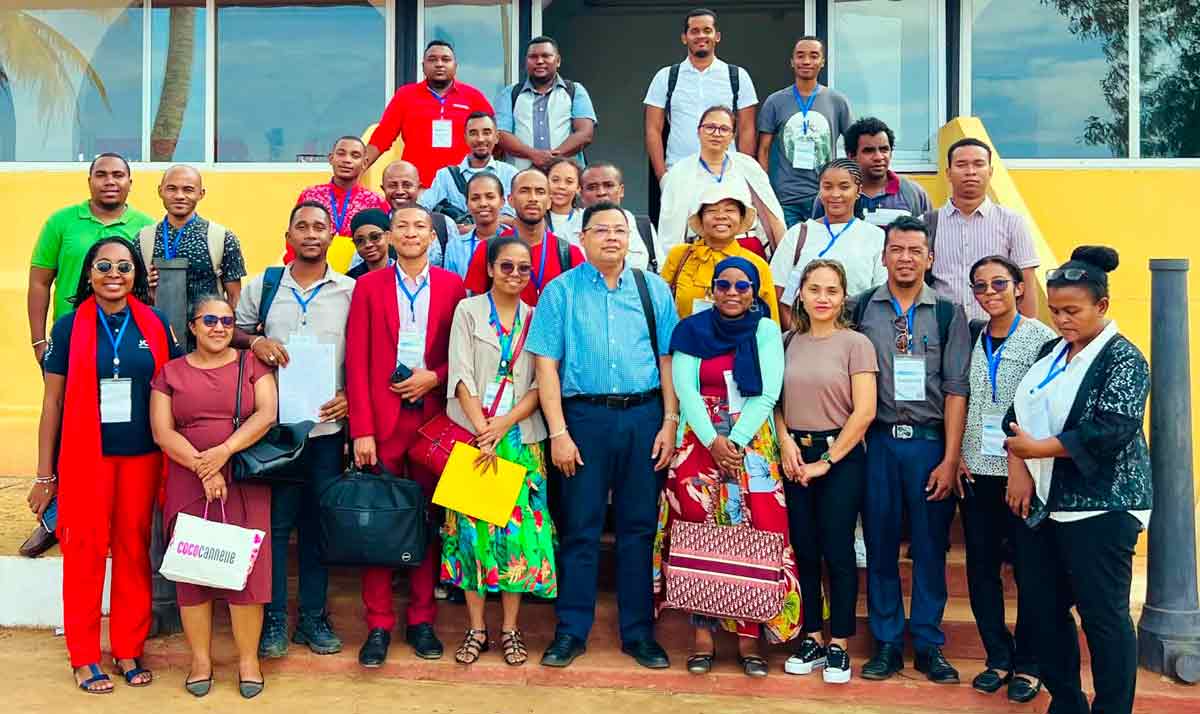
On July 23 and 24, the Caravelle Nofy hosted the 2026 Doctoral Days, organized by the GENESIS thematic doctoral school of the University of Antsiranana, around the theme "Research, Innovation and Transformation of Societies". Over 48 hours, teacher-researchers, doctoral students and academic leaders shared a common space for reflection dedicated to research practices and doctoral training. The opening ceremony was marked by an address from the director of the doctoral school, Prof. Odilon Tiankavana, before the launch of scientific work. Prof. Josie Dominique opened the conference cycle by reviewing the regulatory framework governing doctoral studies. Dr. Sylvia Parfait then focused on the construction of research, from the emergence of the scientific question to the development of the thesis. The following sessions gave voice to doctoral students at levels D2 to D5, who presented the progress of their research through oral presentations and scientific posters. Exchanges with teacher-researchers and other participants punctuated these presentations, offering a cross-perspective on work from multiple disciplines. The second day followed a logic of methodological deepening. Dr. Clercy Ntsay addressed the uses of artificial intelligence in quantitative analysis. While acknowledging the possibilities offered by these technologies, he reminded that the interpretation of results, the formulation of hypotheses and scientific analysis remain inseparable from the researcher's work. First-year doctoral students then presented their research projects before a workshop dedicated to publishing scientific articles from thesis work, led by Prof. Josie Dominique. Scientific posters were submitted for evaluation by a jury tasked with designating the best achievements. The presentation of participation certificates, as well as distinctions rewarding the best oral presentation and best scientific poster, concluded this 2026 edition. From one conference to another, from one presentation to another, these Doctoral Days reminded us that research is built as much through the confrontation of ideas as through methodological rigor, making the doctorate a space for production, transmission and renewal of knowledge.
Source: Midi Madagasikara