Domestic
Kidnappings and murders: Malagasy demand action, not words and sympathy
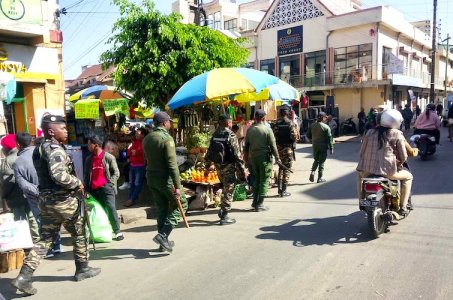
Friday, July 24 was declared a national day of mourning by the president of the Refondation, Colonel Michael Randrianirina, in memory of victims of kidnappings and murders. While this decision reflects the authorities' willingness to pay tribute to the missing, it has failed to convince public opinion, which now demands strong action rather than new declarations. Faced with insecurity that continues to spread, many believe the era of symbols has ended and that only an effective response will restore confidence. The discovery of the lifeless body of Larissa, a 12-year-old girl who disappeared in the Amoron'i Mania region at the end of April, has reignited emotion and panic. Although this case is not directly linked to the wave of disappearances shaking the country since early July, it reminds us that the phenomenon extends beyond the most publicized cases. Now children, teenagers, and adults are struck by this violence, fueling a deep sense of insecurity among the population. Figures revealed Wednesday by the deputy minister in charge of the National Gendarmerie, General Marima Bama, illustrate the scale of the crisis. In just three weeks, 200 disappearances were reported to law enforcement. According to authorities, 75 people have returned home, 19 remain actively sought, and six deaths have been recorded. But this assessment is contested. By compiling reports published on social media, several observers cite at least nine victims found dead under particularly sordid circumstances. This discrepancy fuels questions, especially since authorities attribute these deaths to sacrifices, suicides, acts of revenge, or assault and battery—an interpretation many consider reductive given the gravity of the situation. For several days, the State has multiplied announcements. Nearly 892 personnel are mobilized in the Analamanga region and 4,218 others across the country's 22 regions. An operational center dedicated to kidnappings and suspicious deaths has been created and, according to the minister, collaboration with andrimasom-pokonolona has led to the arrest of about ten suspects, now held in provisional detention. Despite these measures, kidnappings and murders continue to occur, leaving many citizens skeptical about their effectiveness. The last cabinet meeting of the week, held Tuesday, also decided to establish a task force bringing together the main ministries involved to coordinate the State's response. Again, the announcement raises more questions than hope. Many wonder what concrete measures this new crisis cell can truly provide to stop a violence that continues to spread and now affects all segments of the population. Beyond official speeches and calls for solidarity, public opinion persistently expresses one expectation: firm, visible, and immediately effective decisions. For many Malagasy, tributes to victims are necessary, but they will never replace actions capable of preventing other families from being plunged into mourning.
Source: Madagascar Tribune