Politics
Tana City Hall: Delaying Tactics Over New Municipal Elections
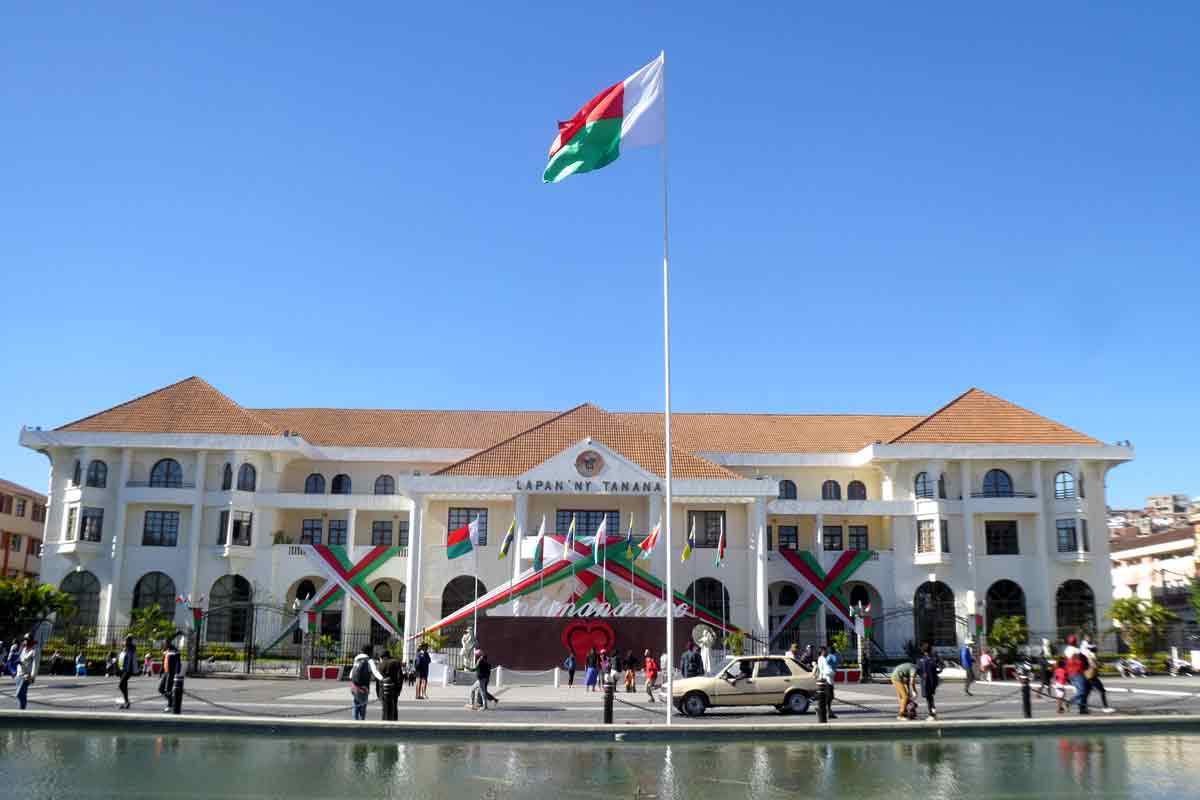
Will new elections at the CUA drag on indefinitely? Four months after the State Council's historic decision annulling all results from the December 11, 2024 municipal elections in the Urban Commune of Antananarivo (CUA), no date has yet been announced for organizing a new vote. While the country's largest local authority is administered by a Special Delegation (PDS) on a provisional basis, the absence of an electoral calendar fuels questions about the capital's governance future. On March 9, 2026, the high administrative court rendered an unprecedented decision annulling all votes obtained by the list led by Harilala Ramanantsoa, elected under the colors of Andry Rajoelina's supporters. This decision led to the revocation of her mayoral mandate and dissolution of the municipal executive, paving the way for the appointment of a Special Delegation tasked with ensuring continuity of municipal administration pending new elections. Questions also arise regarding the legal scope of acts taken by Harilala Ramanantsoa before her election was annulled. While the State Council invalidated all votes that led to her election, the question of consequences from this decision on administrative acts adopted during her term continues fueling debate among legal experts. Today, the capital remains without elected municipal authorities. Neither a mayor nor municipal councilors from the ballot box sit at City Hall. Capital management rests exclusively on provisional administration led by Feno Ralambomanana. While he is indeed a local elected official from the TIM party, his mandate comes from a capital district and not from a municipal election at the CUA level. This situation raises particularly strong questions given the regime's swift execution of the State Council's decision consequences. Result annulment was followed by Special Delegation implementation, while the Independent National Electoral Commission (CENI) also underwent profound restructuring after collective resignation of its members. However, convocation of a new municipal vote remains pending. For several political observers, Antananarivo's municipal elections clearly do not rank among the executive's priorities. This reading is reinforced by the fact that several former mayoral candidates for the capital, including Tahiana Razafinjoelina and Gascar Fenosoa, now operate in the current president's circle. Beyond political considerations, the situation also raises an institutional question. The Special Delegations regime, inherited from 1990s legislation, is designed as a transitional mechanism ensuring public service continuity until new elected authorities take office. Its purpose is therefore inherently provisional. Yet within the current "refoundation" initiative, prolonged absence of elected officials heading the Urban Commune of Antananarivo fuels questions about the real will for "fanavaozana."
Source: Midi Madagasikara