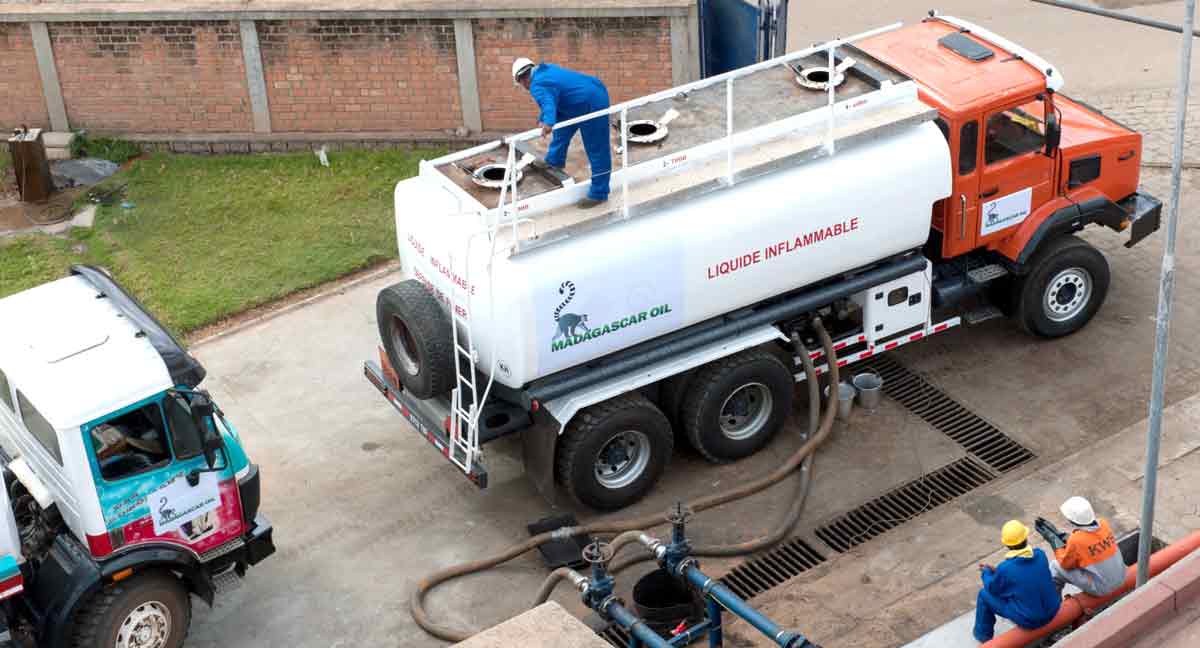
Madagascar Oil is positioned to distribute its heavy oil production across multiple regions. Production ramp-up at Tsimiroro looks promising. Madagascar Oil now plans to exceed 300 barrels per day before the end of 2026, even before new well drilling begins. In March 2026, when announcing the resumption of heavy oil production at Tsimiroro, Madagascar Oil had set a target of 300 barrels daily. After gradually reactivating existing wells, the company now expects to surpass this target using the same wells by year-end.
Results demonstrate that this gradual restart is successful, despite equipment remaining idle for nearly a decade. Madagascar Oil believes it can now advance faster than anticipated and reach higher production levels before end-2026. The company previously announced that significantly higher production would come with new well drilling. Over 100 new wells will be drilled to reach 3,000 barrels per day within 24 months.
Tsimiroro heavy oil could play a crucial role in the country's energy supply. It could gradually reduce Madagascar's dependence on heavy oil imports. According to the company, beyond local production, Tsimiroro heavy oil has superior characteristics to imported product, notably very low sulfur content.
Ultimately, Madagascar Oil states it can cover a significant portion of JIRAMA's needs, estimated between 3,000 and 4,000 barrels daily. The national electricity utility could benefit from Tsimiroro heavy oil's characteristics, particularly its very low sulfur content, which would limit wear on production units. Since 2018, tests at Mandroseza and Mahajanga showed this local heavy fuel was fully compatible with JIRAMA installations and beneficial for operations. Several local industrialists use Tsimiroro heavy oil for electricity production. Madagascar Oil has marketed stock accumulated during three years of test production since July 2022.
The next expansion phase at Tsimiroro promises to be decisive in reducing the country's heavy fuel import dependence. During an interview, Yanto Sianipar, Madagascar Oil's general administrator, emphasized the importance of state support. He cited implementation of customs regime measures under the Petroleum Code. When questioned, a petroleum exploitation specialist explained that applying these provisions would save the company 40% in investment costs. More to follow.
Economy
Tsimiroro Heavy Oil: Madagascar Oil targets over 300 barrels daily by year-end
Source: Midi Madagasikara