Domestic
Electricity in Antananarivo: Old Excuses Still Going Strong
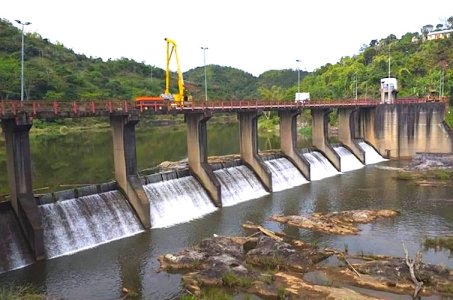
Power cuts now seem to follow a more reliable schedule than the electricity supply itself. Once again, JIRAMA has announced disruptions on Antananarivo's Interconnected Network (RIA), citing a production deficit of around 25 MW. Subscribers will have to deal with rotating blackouts lasting an hour and a half until 5:30 PM. An announcement that, through sheer repetition, has almost become a weather forecast: today again, electricity is playing hide-and-seek. This time, two explanations are offered. On one hand, delays in fuel supplies prevent the thermal power plants at Ambohimanambola from operating normally. On the other, the Andekaleka dam is suffering from critically low water levels, dropping to alert threshold, forcing the shutdown of two hydroelectric generation units. Result: several districts in the capital are experiencing another round of blackouts. Facing this situation, the national utility is now banking on... the sky. All conditions are reportedly in place to proceed with cloud seeding to trigger artificial rainfall over the Andekaleka watershed. The operation is scheduled over three days in hopes of raising the dam's water level. A solution that, while hardly revolutionary, at least reminds us that when reservoirs are empty, there's always hope of convincing clouds to cooperate. The problem is that these announcements no longer surprise anyone. For several years, Malagasy citizens have witnessed the same, almost unchanging scenario. The causes rarely vary: here a fuel shortage, there a drought, elsewhere a technical failure or urgent maintenance. Statements follow one another, promises of quick return to normal as well, while blackouts continue to punctuate the daily lives of households, businesses, craftspeople, and companies. Yet, fighting power cuts and water supply difficulties were among the major commitments of current leaders. These issues had been elevated to national priority status, with promises to end a problem that has long hindered the country's economic development. Several years later, it's clear that the explanations remain essentially the same as those heard for decades. Today's difficulties are neither new nor unpredictable. Drought periods return regularly, as do the fuel needs of thermal power plants. This repetition feeds growing weariness among the population. Many now question less the reasons for the cuts than the absence of lasting solutions. Having failed to move beyond the usual recipes, authorities still seem to manage emergencies on a case-by-case basis, unable to break a cycle that repeats relentlessly. While waiting for clouds to respond favorably to the call over Andekaleka, Antananarivo residents will continue watching their watches, their phone batteries, and their generators. After all, in a country where power cuts have become routine, all that's missing is an official blackout calendar to collect. The explanations, meanwhile, seem to have been set in stone for a very long time.
Source: Madagascar Tribune