Domestic
Insecurity: Strong measures announced, but always after tragedies
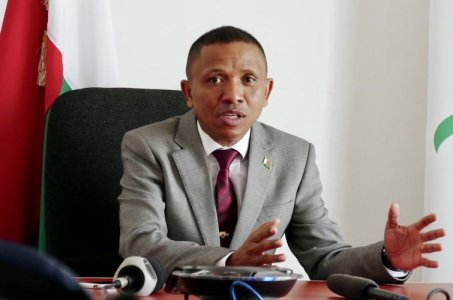
Lacking effective preventive measures, Madagascar's authorities appear once again forced to react after tragedies. Following the discovery of two bodies reported missing within a week, confirming a worrying surge in kidnappings and gripping part of the population in terror and outrage, the government announces new "strong" measures. The Council of Ministers, meeting Tuesday, adopted several security measures, while the Prime Minister indicated he awaits an evaluation report on the situation. Prime Minister Mamitiana Rajaonarison announced that concerned ministries will present, this Tuesday or Wednesday, a report on the evolution of the security situation, particularly regarding murders and kidnappings. According to him, this assessment will evaluate the impact of actions already undertaken and determine whether these criminal acts are declining or continuing to multiply. The head of government also assured that "any person involved, without exception, will be prosecuted" and that "no preferential treatment" will be granted. He further warned that no intervention intended to protect a relative or obstruct justice would be tolerated. In parallel, the Council of Ministers adopted several measures to strengthen security: reactivation of the State Military Communications Office (OTME), which will manage surveillance cameras already installed and those to complement the network in the capital, and creation of a "Task Force" specially dedicated to combating kidnappings, a new structure to coordinate operations against this phenomenon continuing to fuel deep insecurity among the population. Within forty-eight hours, two bodies were found after missing person reports. Tuesday morning, that of Dr. Hortencia Mandrosovoatra, reported missing Monday night in Andranomafana, was discovered. Days earlier, it was Ny Aina Liantsoa Andriamasinavalona, a young man about to defend his thesis, found dead after several days of searching. These two tragedies, far from isolated cases, provoked profound indignation mixed with genuine terror among the population. On social media and in the capital's streets, calls for concrete measures multiply, while many citizens say they no longer feel safe, even in ordinary movements. The announcement of these decisions raises fundamental questions, particularly regarding authorities' lack of anticipation and, above all, the effectiveness of strong statements already made by Refoundation president Colonel Michaël Randrianirina and the Prime Minister. Just over a week ago, Colonel Michaël Randrianirina challenged the perpetrators, inviting them to target him "if they are men" rather than Malagasy children. The government had deployed a thousand mixed forces members for patrols in capital neighborhoods. These statements and measures failed to prevent the phenomenon from continuing. Citizens now demand concrete actions and tangible results from authorities, as recently requested by the Conference of Bishops of Madagascar (CEM) and the Ecumenical Council of Christian Churches of Madagascar (FFKM). This time, civil society organizations are also stepping up. The Women Break the Silence movement, engaged in combating violence, calls on authorities to make security a national priority. The collective demands strengthened prevention actions, alert and search mechanisms triggered within the first hours of a disappearance, accelerated investigations, and immediate response to each report.
Source: Madagascar Tribune