Domestic
Crisis Resolution: UN and African Union Demand Inclusive Political Dialogue
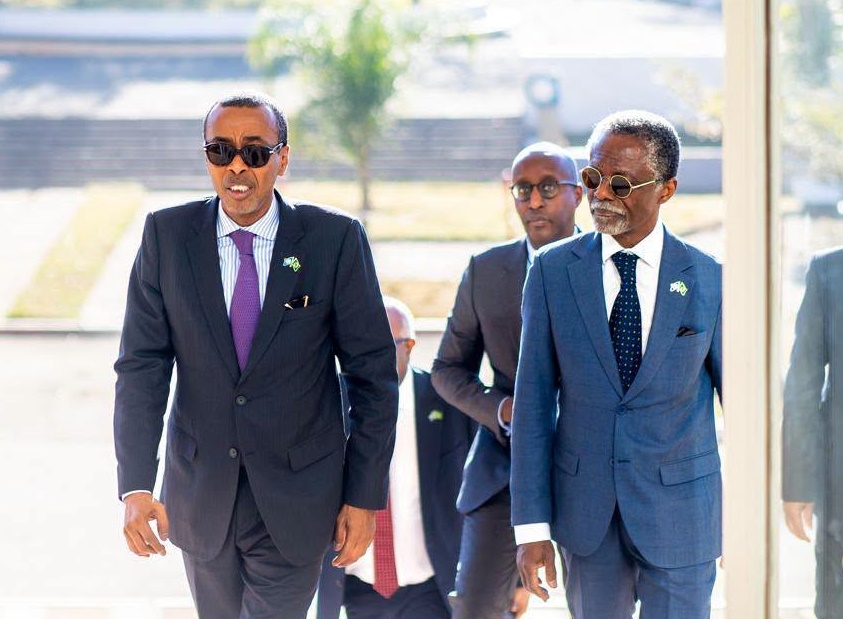
The two international bodies reaffirm their availability to support the Malagasy people in their efforts toward appeasement, social cohesion, stability, gradual return to consensual institutional order, and respect for human rights. "In light of consultations conducted, the two special envoys note with interest the expressed willingness to conduct, at the earliest opportunity, inclusive political dialogue aimed at establishing a consensual political framework for the adoption of institutional reforms that can guarantee the organization of transparent, credible and peaceful elections," states the joint press communiqué from the United Nations and the African Union, marking the end of the high-level mission led by the special envoy of the African Union Commission president, Ambassador Mohamed Idriss Farah, and the special representative of the UN Secretary-General to the African Union, Parfait Onanga-Anyanga. From July 13 to 18, the two officials were in Madagascar conducting consultations with various national stakeholders. The delegation met, among others, with the president of the Refoundation of the Republic of Madagascar, Colonel Michaël Randrianirina, the government led by Prime Minister Mamitiana Rajaonarison, various political actors, institutional leaders, technical and financial partners, leaders of FFKM member churches, civil society, youth organizations and women leaders. According to the communiqué, discussions were rich and constructive. Following their joint mission, the United Nations and African Union confirmed their position, which appears aligned with that of the Southern African Development Community (SADC), regarding resolution of the political crisis prevailing in Madagascar. Indeed, nine months after the Refoundation's rise to power, the international community speaks with one voice and proposes a consensual and inclusive crisis resolution process. Points of Divergence. For now, the process is stalled. According to reports, among the points of divergence are sensitive issues including the return of political exiles, the participation of former president Andry Rajoelina and his collaborators in the process, and the situation of political detainees. On this point, there is difficult rapprochement between the position of international bodies and that of Refoundation leaders. The latter fiercely reject the involvement of the outgoing president in national consultations, while insisting that he has already been stripped of his Malagasy nationality. Yet it is common knowledge that it was the same Refoundation government that maneuvered to achieve this. In its end-of-mission communiqué, the joint UN and African Union delegation encourages all Malagasy political actors and national stakeholders, including women, youth, religious leaders, civil society and economic actors, to participate constructively and responsibly in the ongoing process. "In this perspective, they urge the entire Malagasy political class and all stakeholders to actively participate in these proceedings in order to contribute constructively to efforts aimed at completing the important process of normalizing Malagasy political life," it was reiterated. Appeasement. Faced with a surge in insecurity, the UN and African Union emissaries express concern and call on competent authorities to strengthen security of persons and property, in respect of the rule of law and human rights. They also invite the population to favor legal channels and refrain from any acts of popular justice. While reaffirming their availability to support the Malagasy people in their efforts toward appeasement, social cohesion, stability, gradual return to consensual institutional order, and respect for human rights, the UN and AU also call on international partners to frame their support within a coordinated, coherent approach attentive to Madagascar's priorities.
Source: Midi Madagasikara