Domestic
US Visa: Washington Tightens Access for Malagasy Citizens
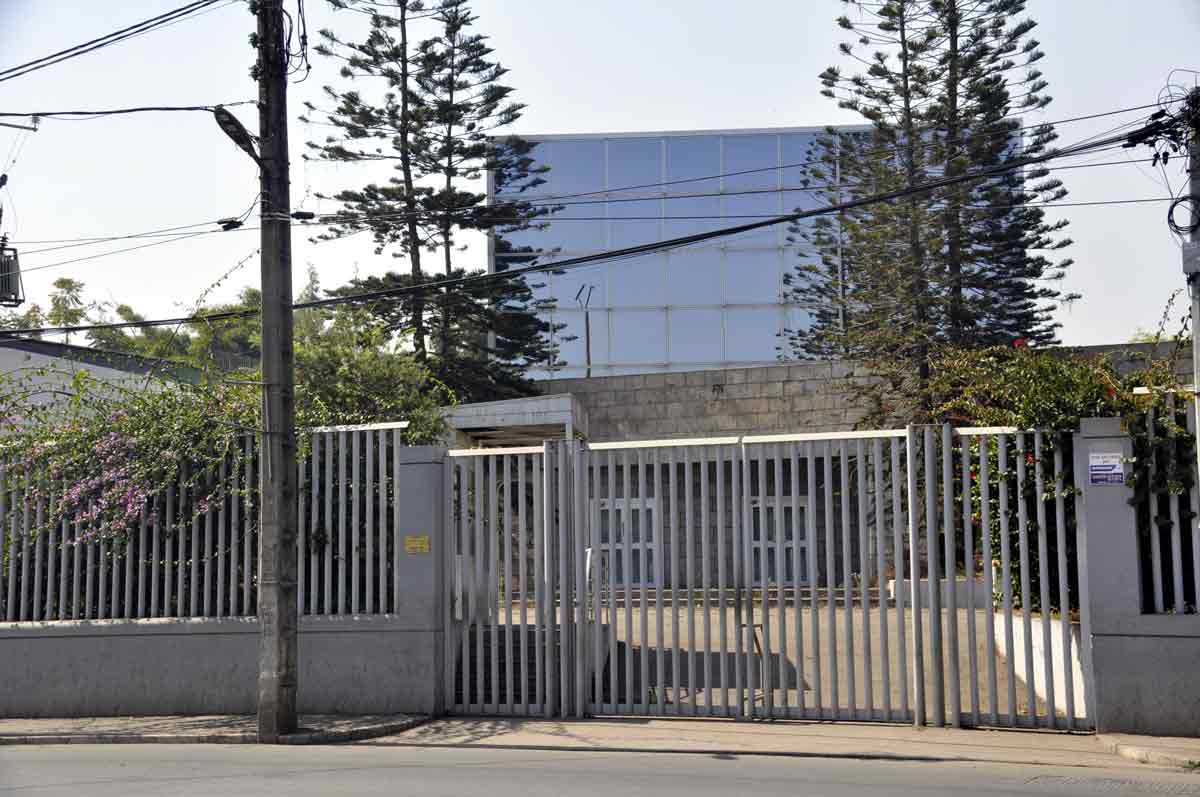
Malagasy travelers seeking to visit the United States will now need to apply through the South African embassy. Obtaining a US visa will become significantly more complex for Malagasy nationals. Starting August 1, 2026, visa applications will no longer be processed by the American embassy in Antananarivo. They must now be submitted to the American consulate in Johannesburg, South Africa, as part of a major regional reorganization decided by the US State Department. This measure represents the first concrete restriction affecting Malagasy visa applicants. Candidates will now need to first obtain a South African visa to travel to Johannesburg, where they must schedule appointments, complete procedures, and pay consular fees. The administrative process is lengthening, as are travel, accommodation, and stay costs, making access to American territory more difficult for students, businesspeople, tourists, and families. According to the US State Department, this reform is part of a policy to regionalize consular services in Africa. Washington states it wants to "strengthen national security by promoting uniform control, verification, and decision-making standards," while improving service efficiency. The American administration also claims it wants to "reduce government waste" and ensure its resources serve "the national interests of the United States." Mandatory Route Madagascar is among approximately twenty African countries affected by this restructuring. From August 1 onwards, visa applications submitted in Antananarivo, as well as in several African capitals including Abuja, Bamako, Brazzaville, Conakry, Harare, Lusaka, Maputo, and Windhoek, will be transferred to regional centers. For Malagasy applicants, Johannesburg becomes the mandatory route for tourism, business, study, and work visas, as well as immigration, family reunification, fiancé(e), adoption visas, and those awarded through the diversity visa lottery. The State Department emphasizes, however, that this reorganization "does not change the functioning of any embassy or consulate" and that diplomatic representations will continue to fulfill their other missions. Beyond official explanations, this decision raises questions about its economic and political consequences. It comes as Washington has shown growing interest in recent months in Madagascar's significant rare earth reserves, particularly in the Tuléar region in the southwest. The United States is multiplying initiatives to secure its supplies of critical minerals, which have become strategic for high-tech industries and energy transition. While economic relations between the two countries appear set to strengthen around strategic mineral resources, the mobility of Malagasy citizens to the United States is becoming increasingly constrained. For economic operators, investors, researchers, and students, this centralization of visas could slow certain exchanges and increase the costs of business travel.
Source: Midi Madagasikara