Domestic
Energy: Government Reinstates Emergency State to Secure Fuel Supply
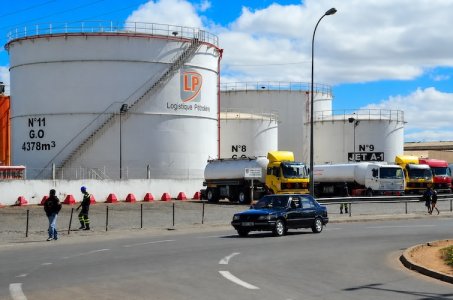
Facing ongoing uncertainties in the global oil market, the Malagasy government has reinstated an energy emergency state across the entire national territory. Adopted in the Council of Ministers on July 17, this exceptional measure gives the State the means to intervene quickly to guarantee fuel supply, preserve strategic reserves, and protect the economy from potential disruptions linked to hydrocarbons. This decision comes amid persistent tensions in the Middle East, which fuel volatility in oil prices. The authorities aim to anticipate the consequences of a potential oil shock on economic activities, transport, and essential services, while limiting impacts on household purchasing power. Provided for under Article 61 of the Constitution, this measure authorizes the government to promptly take necessary decisions to organize the fuel market, prevent shortage risks, and adapt its response to evolving international conditions. The reinstatement of the emergency state comes shortly after the reapplication, on July 1, of the automatic fuel price adjustment mechanism. Despite this regulatory change, pump prices remain unchanged: diesel is maintained at 4,860 ariary per liter, 95 unleaded at 5,100 ariary, and kerosene at 3,710 ariary. Cydolain Raveloson, director general of the Malagasy Hydrocarbons Office (OMH), confirms that this mechanism is now operational. However, he notes that no price increases are envisaged at this stage. "We have not yet reached the phase of fuel price increases. The government is mindful of the population's purchasing power," he states. In parallel, a limitation on fuel purchases has already come into effect. Each customer can now purchase no more than 100 liters per day, a measure designed to preserve availability in case of supply tensions. Through this decision, the executive seeks above all to strengthen the country's resilience to international market uncertainties, while ensuring the continuity of essential activities and stability of energy supply.
Source: Madagascar Tribune